Is it Better to Remove All Trees or Thin Out a Forest for Residential Property Development
When you are standing at the edge of a densely wooded lot, trying to picture a finished home, a driveway, a backyard where kids can play, the first question that usually comes up is a simple one: how much of this do I actually need to clear? For many property owners and builders, the debate comes down to a choice between removing every tree on the parcel or selectively thinning the forest to keep some of what is already there. It sounds like a straightforward decision, but the answer depends on a surprising number of factors, and getting it wrong can cost you time, money, and even the long-term health of your land.
This guide is designed to walk you through the real trade-offs involved in both approaches. Whether you are developing a residential lot from scratch, planning an addition on an overgrown property, or simply trying to figure out the smartest way to move forward, understanding the difference between full clearing and selective thinning is essential before any work begins.
What Full Tree Removal Actually Means for a Residential Lot
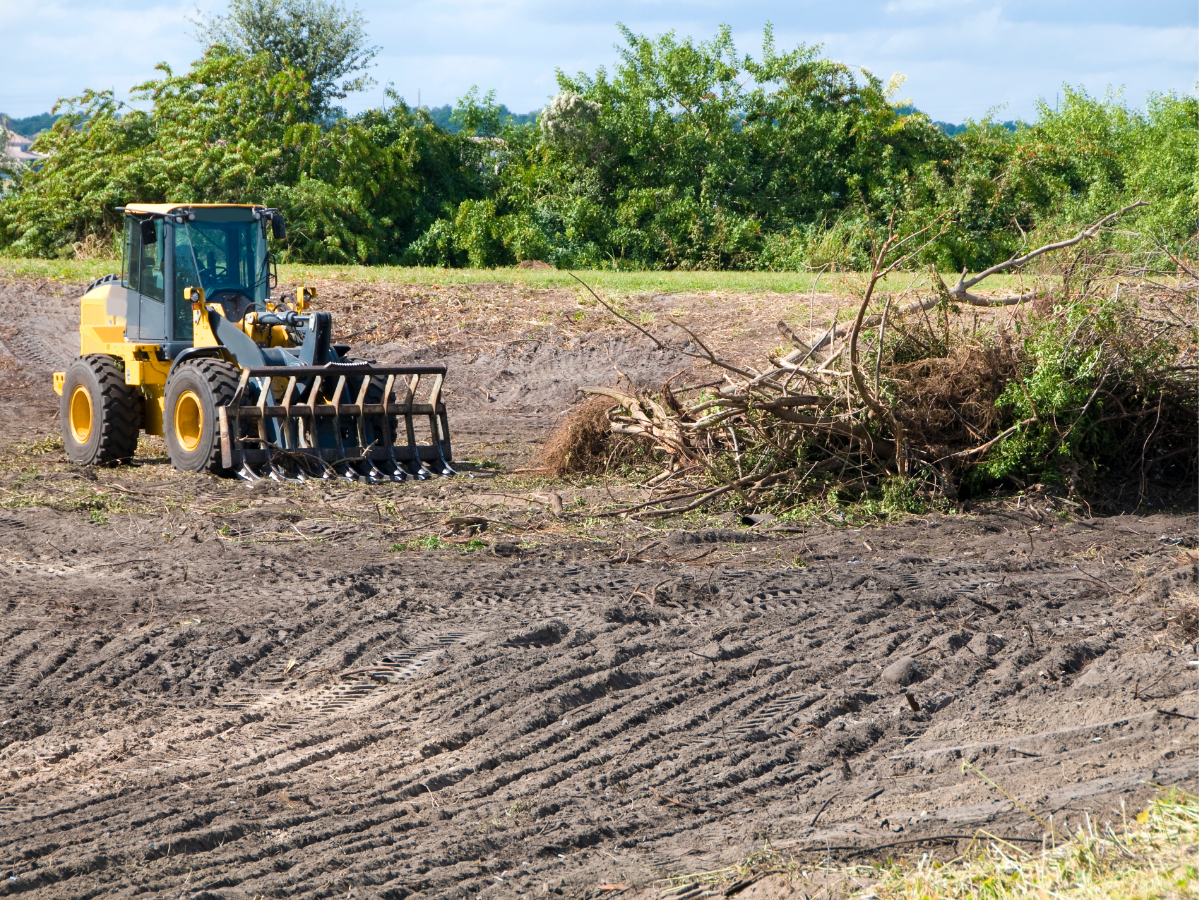
Full land clearing means removing every tree, shrub, and woody plant from a defined area of the property. The goal is to create open, workable ground from boundary to boundary within the designated clearing zone. For certain types of residential development, this is exactly what the project requires. If you are building a new home on a heavily wooded lot, grading the land for a foundation, installing a septic system, or laying the groundwork for a driveway, there are often areas where nothing can remain and the land needs to be completely open before the next phase of construction can begin.
Full clearing also eliminates one of the more common problems that develops when trees are left too close to new construction. Tree roots do not stop growing once a house is built. Mature trees left near a foundation, a driveway, or a septic field can push roots into those structures over time, causing damage that is expensive to repair. Removing those trees entirely before construction begins is often the more practical long-term choice, even if it feels drastic in the moment.
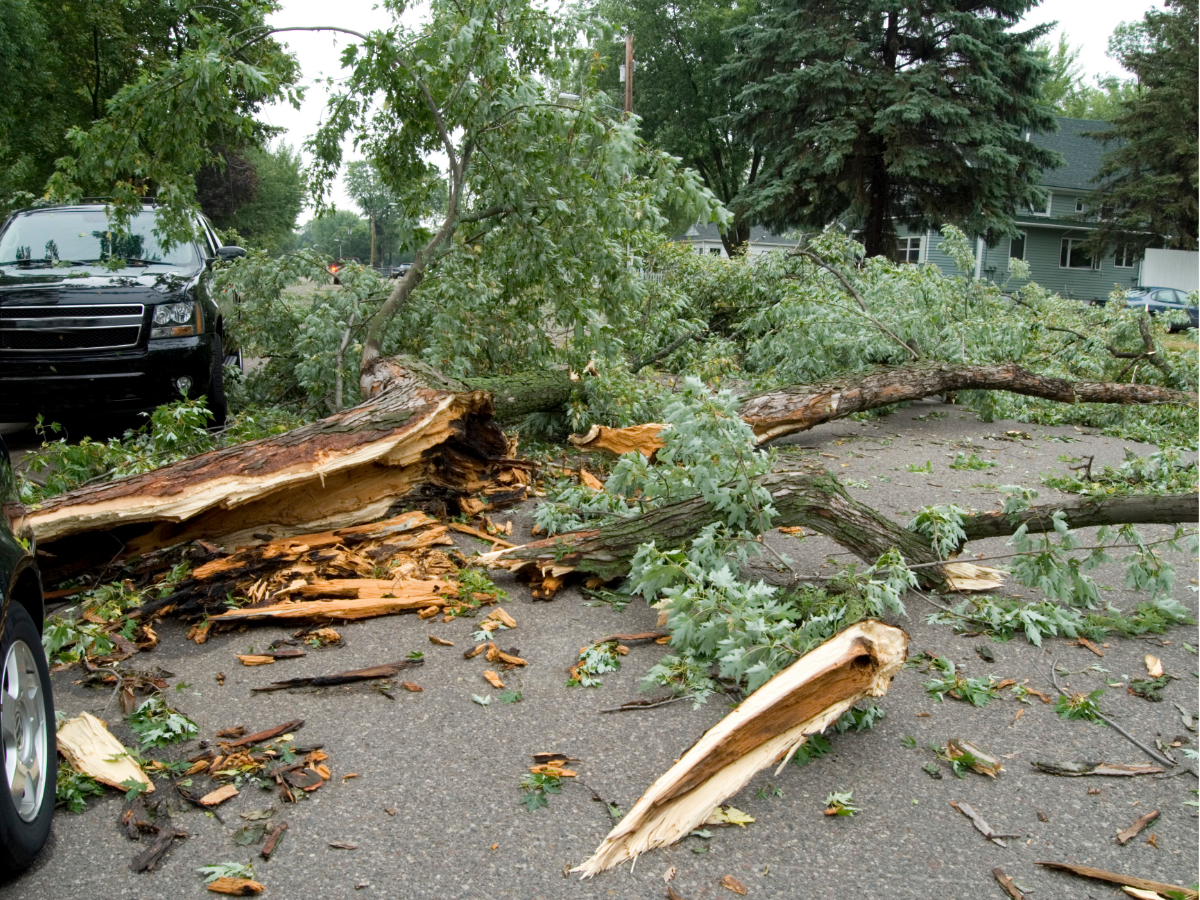
There is also a safety component that gets overlooked in this conversation. Trees that are left standing near active construction zones become hazards if they are weakened, partially damaged during site work, or if the soil disturbance around them compromises their root systems. A tree that looked healthy before grading began can become unstable once the ground around it has been altered, and that creates real risk for workers and neighboring structures.
The drawbacks of full clearing are worth considering honestly. Removing every tree from a property eliminates natural shade, which can significantly increase cooling costs in warmer months. It also removes the visual character that mature trees provide, and replacing that character with new plantings takes years or even decades. Erosion is another real concern on fully cleared lots, particularly during fall and winter when exposed soil is vulnerable to heavy rain and runoff. That is why stump grinding and proper ground preparation after clearing are important steps, not optional add-ons.
The Case for Selective Thinning and Why It Works in Certain Situations
Selective thinning, sometimes called selective clearing or forest thinning, means removing specific trees while leaving others standing. The goal is to open up the land enough for development while preserving trees that add value, provide screening, or simply do not interfere with the planned construction. Done correctly, selective thinning can give a finished residential property a mature, established feel that full clearing simply cannot replicate with new plantings.
This approach works well in a number of scenarios. If you are adding a pool, a patio, or a backyard structure to an existing property, you may only need to clear a defined footprint rather than the entire yard. If your lot has a mix of young, crowded trees and older, well-spaced specimens, removing the weaker or more problematic trees while keeping the healthiest ones can actually improve the overall health of the remaining canopy. Crowded trees compete for light, water, and nutrients, and thinning that competition gives the trees you want to keep a better chance of thriving long term.
Selective thinning is also worth considering when a property has natural buffers along its edges. Mature trees along a fence line or property boundary provide privacy screening that can take decades to replicate if removed. Keeping those trees while clearing the interior of the lot is often the most practical and visually appealing approach for residential development.
That said, selective thinning is not a simple process. It requires careful evaluation of each tree's health, its structural integrity, and its proximity to whatever is being built. Keeping a tree that has compromised roots, a leaning trunk, or significant dead wood near a new structure is not a cost-saving measure. It is a liability. The decision about which trees to keep and which to remove should always be made by an experienced tree professional who can assess each specimen honestly rather than simply preserving trees because they look fine from the outside.
Key Factors That Should Drive Your Decision
There is no universal answer to whether full removal or selective thinning is better for residential development. The right approach is specific to your property, your plans, and the trees currently standing on the land. Here are the factors that matter most when working through that decision:
- The scope and footprint of your project. A new home construction on a raw lot typically requires more aggressive clearing than adding a backyard structure to an existing property. Know your footprint before deciding how much to clear.
- The health and age of the existing trees. Older, declining trees are often better removed entirely even if they fall outside the direct construction zone. Keeping a compromised tree near a new structure rarely saves money in the long run.
- Root proximity to planned structures. Trees with root systems that extend toward planned foundations, driveways, or septic systems should be removed regardless of their apparent health above ground.
- Local permit requirements. Many municipalities have rules about how many trees can be removed, what size trees require permits, and what protections apply near wetlands or environmentally sensitive areas. These rules vary by town and should be confirmed before any clearing begins.
- Erosion and drainage considerations. On sloped lots, removing all tree cover at once can accelerate erosion. A phased approach or strategic retention of trees on slopes may be worth discussing with your clearing crew.
- Long-term property value. Mature trees that are well-positioned relative to a finished home often add to resale value. Removing every tree from a lot can leave a finished property feeling exposed and unfinished for years.
- HOA or deed restrictions. Some communities have rules about tree removal that exist independently of local government requirements. Check both before proceeding.
Fall is actually one of the better seasons to have this evaluation done. With leaves dropping, the structure of trees becomes easier to assess, weak branches and compromised canopies are more visible, and clearing work completed in fall leaves the ground ready for construction planning in the spring. If you have been putting off a lot clearing decision, the current season is a practical time to move forward.
How Professional Land Clearing Makes the Difference
Whether the decision is full clearing or selective thinning, the quality of the work matters enormously. Large trees need to be brought down in a controlled way, particularly when they are surrounded by structures, fences, neighboring property, or the trees you are planning to keep. A tree that falls in the wrong direction during a clearing project can damage structures, injure workers, and create costly setbacks for the entire development timeline.
Professional land clearing also means the cleanup is handled completely. Branches, wood, and debris do not simply disappear once a tree comes down. A proper clearing project includes chipping, hauling, or processing that material so the site is ready for the next phase of work rather than buried under a tangle of wood and brush.
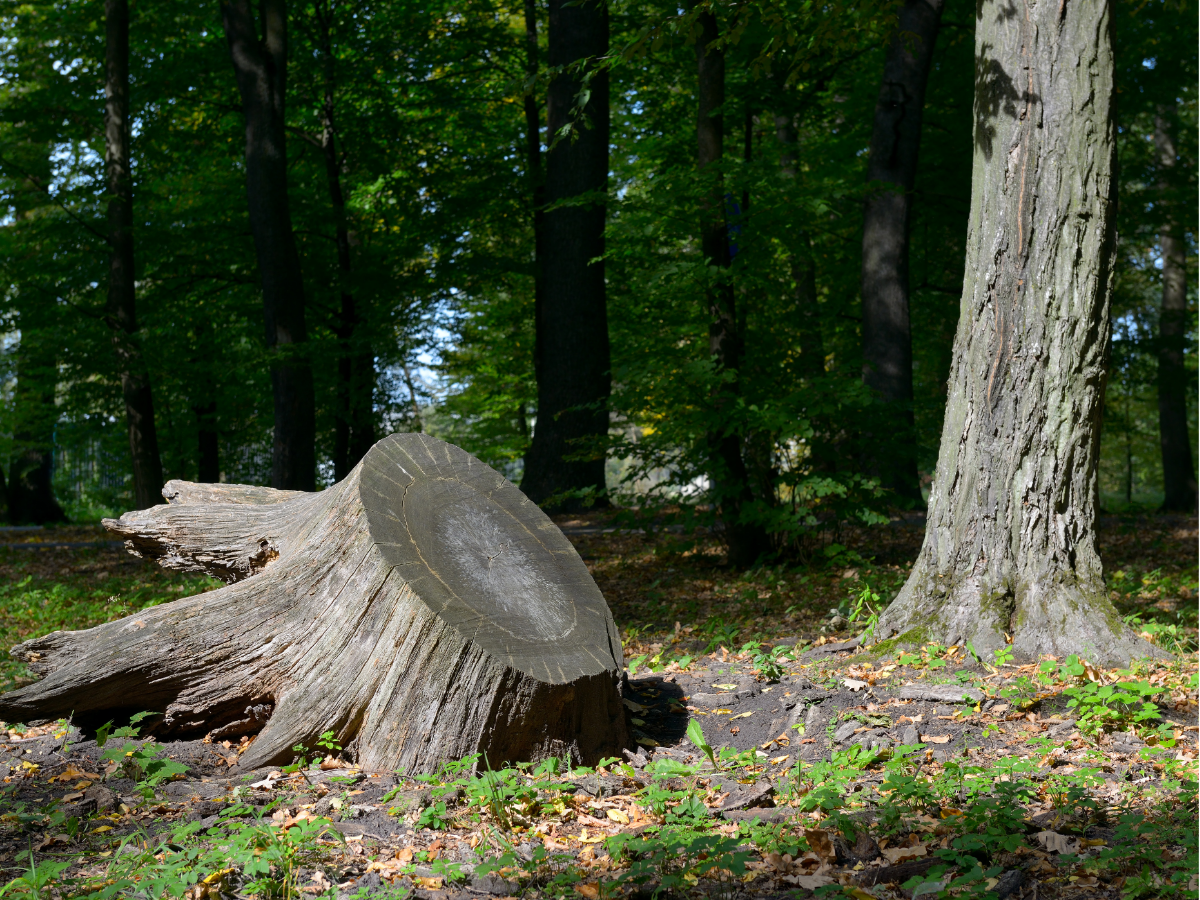
Stump grinding is another element of the process that is worth factoring into your planning. Stumps left in the ground after clearing can interfere with grading, become obstacles for future landscaping, and in some cases continue to generate root growth below the surface. If you are preparing land for construction, having stumps ground down to below grade level gives you much cleaner, more workable ground to build from.
Joe Tree Tree Service offers professional land clearing and lot clearing services that include taking down trees, chipping or hauling away branches and wood, cutting trunks into sections if you want to keep the wood, and stump grinding as an available service. Every project begins with a free consultation where the team walks the property with you, talks through what you want cleared, and explains exactly what is included before any work begins. There are no hidden costs and no surprises when the job is done.
Joe Tree is a family-run company built over three generations, and an owner is on site for every job. That means the decisions being made about your property are being made by the people whose name is on the business, not by a subcontractor who has no stake in the outcome. With a crew of more than twenty tree professionals and fully licensed and insured operations, Joe Tree brings the experience and accountability that a land clearing project of any scale requires.
If you are working through the decision between full clearing and selective thinning for your residential development project, the best starting point is a conversation with a tree professional who can walk your specific property and give you an honest assessment. What looks like a manageable stand of trees from the road can look very different once you are walking among them and thinking about what you are actually planning to build. Getting that evaluation done now, before the ground freezes and before construction planning gets underway, puts you in a much stronger position when it is time to break ground.
To schedule your free consultation with Joe Tree Tree Service, call or text Ryan at 631.678.2645 or TJ at 631.236.8680. The right clearing plan starts with the right conversation, and that conversation costs you nothing.
Search
Recent Post


LET'S CONNECT
Expert Lawn Care. Friendly Service.
Need reliable tree services on Long Island? Our experienced team is ready to help with safe, professional tree removal and more. Contact us today for a free estimate!
Call us now: