Tree Inspection Services for Safer, Healthier Trees
Know what is really going on with your trees before a storm, a falling limb, or a hidden defect makes the decision for you.
A tree can look perfectly fine from the kitchen window and still be hiding a serious problem. Decay inside the trunk, weak branch attachments, root issues, and dead limbs high in the canopy are easy to miss until something gives way. A professional tree inspection gives you a clear, informed look at the condition of your trees so you can protect your home, your family, and the trees themselves. Joe Tree Tree Service provides tree inspections for homes and businesses, backed by three generations of family experience and a crew of more than 20 tree experts.
We got it.
Thank you for contacting us.
We’ll get back to you as soon as possible.
What a Professional Tree Inspection Looks At
A thorough inspection of trees goes well beyond a quick glance at the leaves. When a tree inspector evaluates a tree, attention is typically given to:
- The root zone, including signs of root damage, heaving soil, or exposed and decaying roots
- The trunk, looking for cracks, splits, cavities, cankers, and signs of internal decay
- The major branches, checking how they attach to the trunk and whether any are weak, split, or rubbing
- The upper canopy, where dead wood, thinning growth, and dieback can signal decline
- Lean and overall structure, including whether a tree has started shifting or leaning
- What is nearby, such as your home, garage, driveway, fences, and areas where people gather, since a tree’s location shapes how much risk it poses
Warning Signs Your Trees Need an Inspection
Some tree problems announce themselves. Others give only subtle clues. Consider scheduling a tree inspection if you notice:
- New or worsening lean, especially after wind or heavy rain
- Mushrooms, conks, or other fungal growth on the trunk or around the base
- Bark that is peeling away, cracking, or missing in patches
- Large dead branches, or branches dying back from the tips
- Sawdust-like material or small holes in the bark, which can point to insect activity
- Leaves that appear smaller, thinner, or discolored compared to past years
- Soil cracking or lifting near the base of the tree
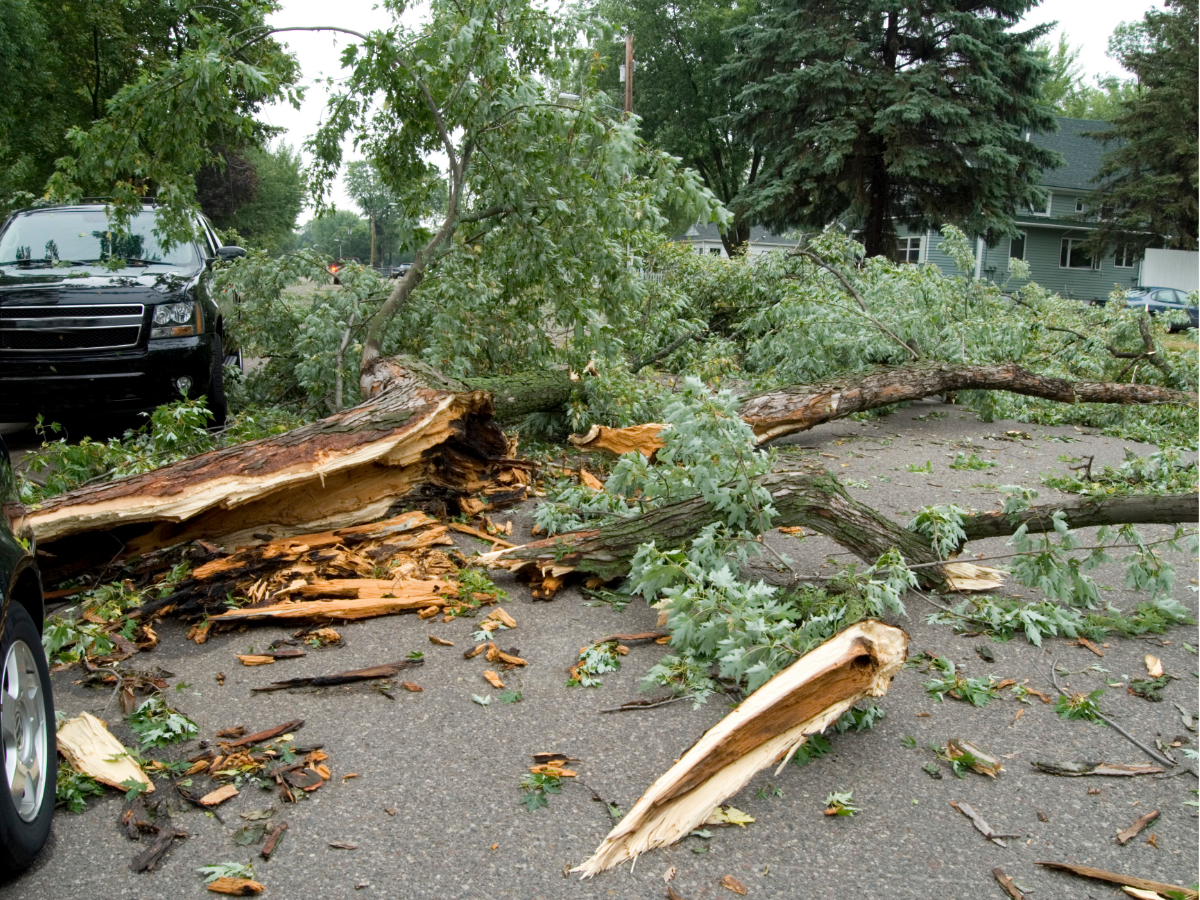
- Damage after a storm, even if the tree is still standing
- Large trees hanging over your home, driveway, or play areas
Understanding Tree Inspection Levels and Risk Ratings
Across the tree care industry, tree inspections are often described in terms of assessment levels, each offering a different depth of evaluation.
Level 1, Limited Visual Assessment. A quick walk-by or drive-by check used to spot obvious problems, such as large dead wood, major structural defects, or a tree with a severe lean.
Level 2, Basic Ground Assessment. A more detailed, 360-degree evaluation from the ground that looks at the root zone, trunk, major branches, upper canopy, and the areas around the tree that could be affected if it failed.
Level 3, Advanced Assessment. Specialized testing that uses diagnostic tools to look for hidden internal decay or root problems that cannot be seen from the outside.
Inspection findings are also commonly described by how likely a tree or limb is to fail:
- Improbable: The tree is structurally sound with few or no defects. Routine monitoring is usually enough.
- Possible: Minor defects are present, but failure is unlikely under normal conditions. Routine care or preventative pruning may be recommended.
- Probable: Clear signs of failure are present, and action is needed soon.
- Imminent: Severe decay, hollowing, or root failure creates an immediate hazard, and urgent action is required.
Understanding these terms can help you make sense of what a tree inspector shares with you and how quickly you may need to act.
What Happens After Your Tree Inspection
Joe Tree Tree Service works with a wide range of property owners, including:
- Homeowners who want healthy, safe, good-looking trees and a well kept yard
- Businesses that want clean, attractive, and safe properties for customers and employees
- Property owners with very old trees whose roots and limbs are starting to cause problems
- Anyone dealing with storm damage who needs fallen or leaning trees handled quickly
- Owners planning a project, such as an addition, pool, patio, or new landscaping, who need trees removed or land cleared first
What Are the Tree Laws in New York State?
Tree laws in New York State come from a combination of state law, local ordinances, and long-standing legal principles. A few of the most common issues property owners run into include:
Cutting trees on someone else’s property. New York’s Real Property Actions and Proceedings Law allows property owners to seek damages when someone cuts, removes, or damages trees on their land without permission. Before removing any tree near a property line, it is important to know exactly where that line is.
Overhanging branches from a neighbor’s tree. In general, property owners may trim branches that extend over their property, up to the property line, as long as the work does not damage the overall health of the tree. Going onto a neighbor’s property or harming the tree itself can create liability.
Trees near wetlands and protected areas. State environmental regulations can apply to work in or near regulated wetlands and other protected areas, which may limit what can be cut or cleared.
Local tree ordinances. Many towns, villages, and cities have their own rules about removing trees, especially trees above a certain size or trees on public property such as street trees.
Because tree laws vary depending on where your property is and the specific situation, it is a good idea to check with your local municipality, and for legal disputes, consult an attorney. Having your trees professionally inspected can also help you understand their condition before making decisions that involve neighbors or property lines.
Do I Need a Permit to Cut Down a Tree on My Property in NY?
It depends on where you live. New York State does not have one single permit requirement that applies to every homeowner removing a tree on private property. Instead, tree removal permits are generally handled at the local level, and the rules vary from one town, village, or city to the next.
Some municipalities require a permit to remove trees above a certain trunk size, to remove multiple trees, or to clear a certain amount of land. Others have few or no requirements for private residential property. Additional rules may apply if a tree is near regulated wetlands, located in a protected or historic area, or considered a public street tree. Homeowners associations can also have their own restrictions.
Before removing a tree, contact your local building or planning department to find out what applies to your property. If you are trying to decide whether a tree needs to come down in the first place, a tree inspection can help you understand its condition so you have the full picture before taking the next step.
Choosing a Tree Inspector You Can Trust
The value of a tree inspection depends on who is doing the looking. You want experienced eyes, honest answers, and a company that will not pressure you into work you do not need.
Joe Tree Tree Service is a recognized, third-generation, family-owned tree company that has handled tree work for thousands of homeowners and businesses. One of the family owners works every job, so the people evaluating your trees are the people whose name is on the truck. You can call or text Ryan at 631.678.2645 or TJ at 631.236.8680 directly with questions. Our pricing is based on the actual hours we spend on site, with what is included and what costs extra explained before any work begins. And we are fully licensed and insured, with a clean record at consumer affairs and customer reviews you can read on Google.
Tree Inspection FAQs
When is the best time to have a tree inspection?
A tree inspection can be valuable at any time of year, and each season offers its own advantages. In winter, when deciduous trees have lost their leaves, it is easier to see branch structure, cracks, and dead wood. During the growing season, the condition of the leaves and canopy can reveal signs of stress or decline. The most important time to schedule a tree inspection is whenever you notice a change, such as a new lean, cracks, fungal growth, or damage after a storm.
Can a tree look healthy and still be dangerous?
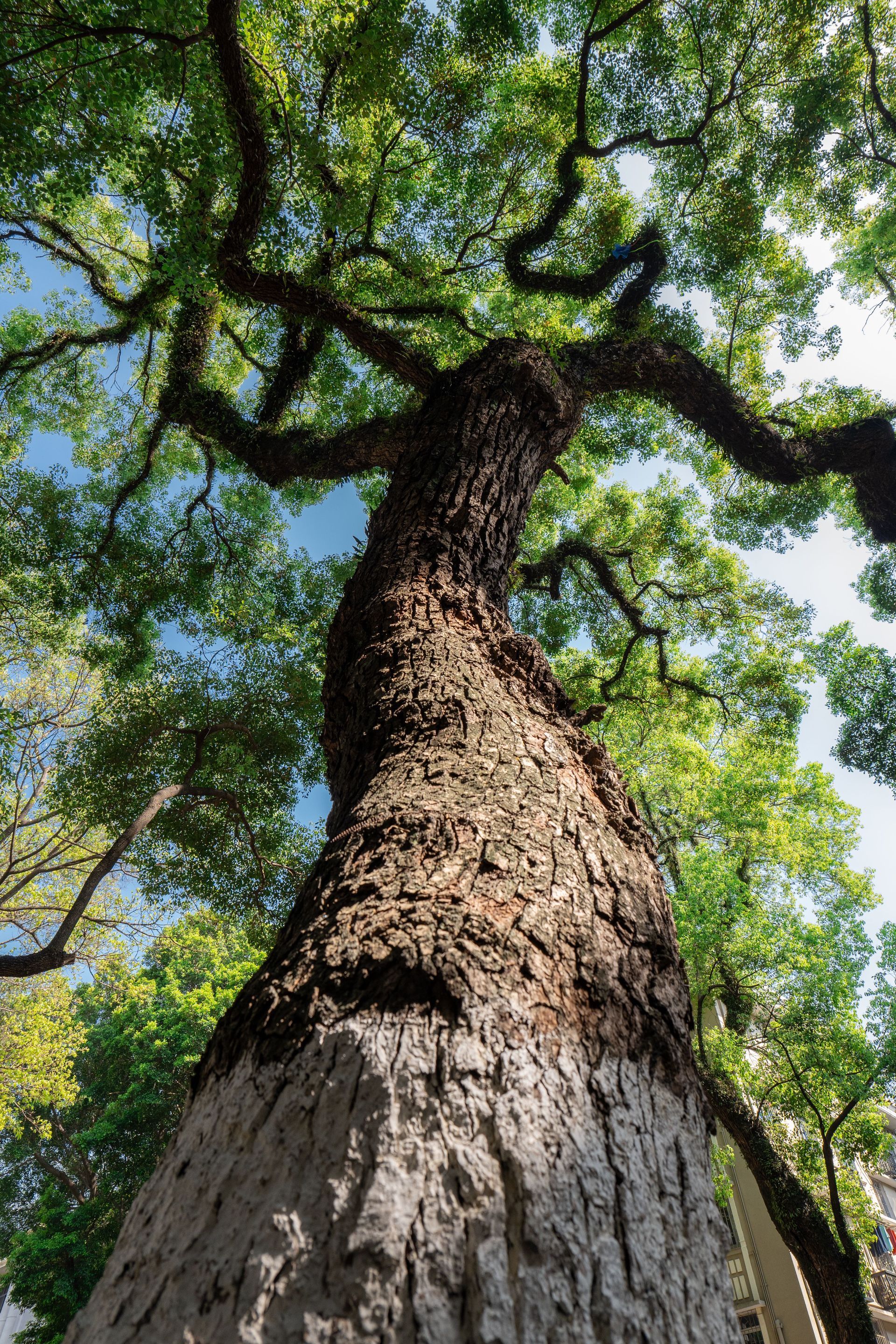
Yes. A tree can have a full, green canopy and still be hiding serious problems. Internal decay, hollow sections in the trunk, weak branch attachments, and root damage are not always visible at a glance. Some of the most significant risks are found low on the trunk or in the root zone, where they are easy to overlook. This is one of the main reasons a professional inspection of trees is worthwhile, especially for large, mature trees near your home or other structures.
Does a tree inspection mean my tree will need to be removed?
No. Many tree inspections end with good news or with recommendations that help the tree stay healthy, such as structural pruning, trimming, or simply monitoring the tree over time. Removal is generally reserved for trees that are too damaged, decayed, or unstable to keep safely. The purpose of a tree inspection is to give you a clear understanding of your trees so you can make an informed decision, and at Joe Tree Tree Service, we explain your options honestly.
What should I do if I think a tree is about to fall?
If a tree looks like it could fall, keep people, pets, and vehicles away from the area it could reach. Do not attempt to cut, climb, or support the tree yourself, and stay well clear of any trees or limbs in contact with power lines, contacting your utility company in those situations. For trees that have fallen, split, or started leaning after a storm, Joe Tree Tree Service provides emergency tree service, and you can call or text Ryan at 631.678.2645 or TJ at 631.236.8680 directly.
How do I schedule a tree inspection with Joe Tree?
To schedule a tree inspection, call our main office at 631.956.3740, text Ryan or TJ directly, or fill out our online form with details about your trees and the best time to reach you. We will look at your trees and the space around them, talk through any concerns you have, and explain what is included and what costs extra before any work begins. From there, you can decide on the next steps for your trees with confidence.
Get a Clear Picture of Your Trees’ Health
Do not wait for a storm to reveal what is happening inside your trees. Contact Joe Tree Tree Service today to schedule a free consultation with our family of tree experts and get honest answers about the health and safety of your trees.
Call (631) 956-3740 for a Free Consultation
REQUEST A CONSULTATION
Our Featured Services
LET'S CONNECT
Expert Lawn Care. Friendly Service.
Need reliable tree services on Long Island? Our experienced team is ready to help with safe, professional tree removal and more. Contact us today for a free estimate!
Areas We Service
• Amityville
• Copiague
• Massapequa
• Wantagh
• Babylon
• Levittown
• & all over Long Island!
Recent Post